· 17 min read
Things to do in London: 35 best places to visit and how to see them
The best things to do in London, from the Tower of London and British Museum to markets, parks and free views, with photos, itineraries and practical tips.
London has more to see than any one trip can hold. There are royal palaces and medieval fortresses, world-class museums that cost nothing to enter, markets that have traded for centuries, and parks big enough to forget you are in a city of around nine million people. This guide covers the best things to do in London, grouped so you can plan by interest, with practical tips on getting around, saving money and building an itinerary.
In this guide
- London's famous landmarks
- Museums and galleries
- Theatre, shopping and the West End
- Markets and food
- Parks and green spaces
- The best views over London
- Greenwich, Kew and Hampton Court
- London itineraries
- Practical guide to visiting London
- Frequently asked questions
London's famous landmarks
Most first-time visitors start with the sights that appear on every postcard. Many of them sit along the River Thames, so you can link several together on foot.
1. Tower of London

William the Conqueror began building the Tower of London after his conquest in 1066, and its White Tower still dominates the site. Inside you will find the Crown Jewels, medieval wall walks and the ravens that legend says must never leave. The Yeoman Warders, known as Beefeaters, lead entertaining tours included in the ticket. The Tower is a UNESCO World Heritage Site. Arrive at opening time and head straight to the Jewel House before the queues build.
2. Tower Bridge

Opened in 1894, Tower Bridge is often mistaken for London Bridge, which is the plain concrete crossing just upstream. Walking across is free. The Tower Bridge Exhibition takes you up to the high-level walkways, where glass floor panels look straight down onto the traffic and river boats 42 metres below. The bridge still lifts for tall ships, and lift times are published online if you want to watch it open.
3. Westminster Abbey

Every coronation since William the Conqueror's on Christmas Day 1066 has taken place at Westminster Abbey, including that of King Charles III in 2023. The abbey is the burial place of monarchs, scientists and writers, with Isaac Newton and Charles Darwin buried here and Chaucer and Dickens in Poets' Corner. Sightseeing entry is paid, but anyone can attend a service for free. Choral Evensong, sung most afternoons, is a memorable way to see the building.
4. Houses of Parliament and Big Ben

The Palace of Westminster is home to the House of Commons and the House of Lords. Strictly speaking, Big Ben is the name of the great bell inside the clock tower, which was renamed the Elizabeth Tower in 2012. The best photograph is from Westminster Bridge or the opposite bank near St Thomas' Hospital. Guided tours run on Saturdays and during parliamentary recesses, and you can watch debates from the public galleries when Parliament is sitting.
5. Buckingham Palace

Buckingham Palace is the King's official London residence. The Changing the Guard ceremony takes place in the forecourt on set mornings, so check the schedule before you go and arrive early for a spot by the railings. In summer, the palace opens its State Rooms to paying visitors. Combine it with a walk through St James's Park, which has some of the best views of the palace and a resident colony of pelicans.
6. The London Eye and the South Bank

The London Eye stands 135 metres high, and one rotation in its glass capsules takes about 30 minutes. Book a timed ticket online and go near sunset for the best light. Afterwards, walk east along the South Bank past the Southbank Centre, the BFI and the National Theatre. This riverside path, the Queen's Walk, leads all the way to Tate Modern and Shakespeare's Globe, and it is one of the most enjoyable free things to do in London.
7. St Paul's Cathedral
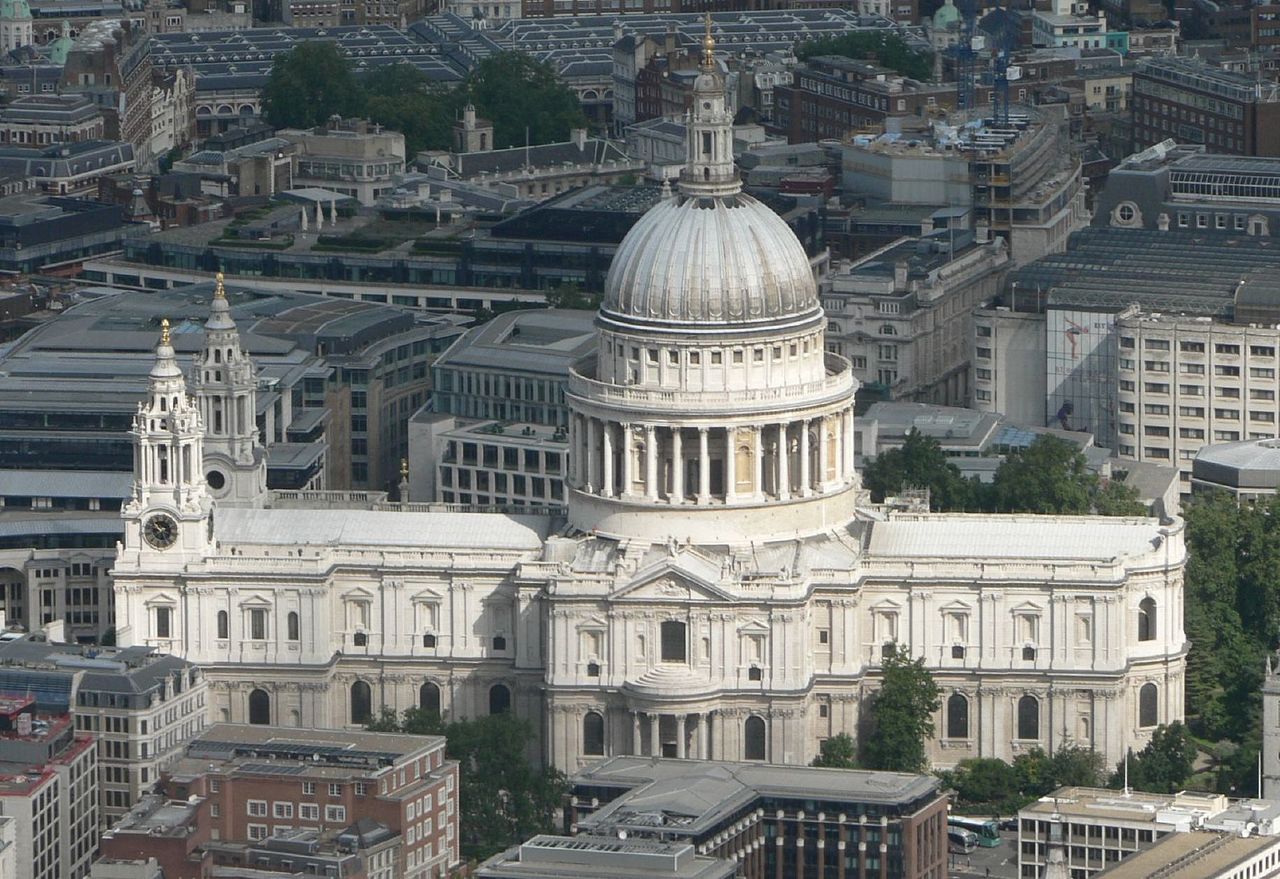
Sir Christopher Wren designed St Paul's Cathedral after the Great Fire of London in 1666, and his dome has dominated the City skyline ever since. Inside, the Whispering Gallery carries a whisper around the dome. Climb all 528 steps to the Golden Gallery for a panoramic view across London.
8. Trafalgar Square and the National Gallery

Trafalgar Square, with Nelson's Column and its four bronze lions, is the closest thing London has to a central meeting point. Look out for the Fourth Plinth, which displays a changing contemporary artwork. On the north side, the National Gallery holds one of the world's great collections of European paintings, including Van Gogh's Sunflowers and Turner's The Fighting Temeraire. Entry to the permanent collection is free, as it is at the National Portrait Gallery next door.
Museums and galleries
London's national museums are free to enter, which makes them some of the best value London attractions anywhere. Special exhibitions are usually ticketed, and booking a free timed slot online can help at busy times.
9. British Museum

Founded in 1753, the British Museum holds around eight million objects covering two million years of human history. The Rosetta Stone, the Egyptian mummies, the Parthenon Sculptures and the Sutton Hoo treasure are the headline pieces. You cannot see it all in one visit, so pick two or three galleries and leave the rest for another day.
10. Natural History Museum

The Natural History Museum's building, designed by Alfred Waterhouse and opened in 1881, is worth the trip by itself. In Hintze Hall, a blue whale skeleton named Hope hangs from the ceiling, and the dinosaur gallery is a favourite with children. Entry is free. Arrive at opening time on weekends and school holidays, when queues on Cromwell Road can be long.
11. Victoria and Albert Museum (V&A)

A short walk from the Natural History Museum, the V&A is the world's leading museum of art and design. Its collections span fashion, jewellery, furniture, ceramics and sculpture, and the Cast Courts hold full-size plaster copies of famous monuments, including Michelangelo's David. Stop in the original café rooms, the first museum restaurant in the world, for tea under ornate tiled ceilings.
12. Science Museum

The third of the South Kensington museums, the Science Museum is free and especially good for families. Highlights include the Apollo 10 command module, early steam engines and galleries on flight, medicine and space. The interactive Wonderlab gallery has a separate charge but keeps children busy for hours.
13. Tate Modern and the Millennium Bridge

Tate Modern opened in 2000 inside the former Bankside Power Station. Its vast Turbine Hall hosts large-scale commissions, and the free collection includes work by Picasso, Rothko and Louise Bourgeois. Go up to the viewing level in the Blavatnik Building for a free view over St Paul's. The steel Millennium Bridge outside links the gallery to the cathedral. It opened in 2000, closed two days later because it wobbled, and reopened in 2002.
14. Churchill War Rooms

Below the streets of Westminster, the Churchill War Rooms preserve the underground headquarters where Winston Churchill and his War Cabinet directed the Second World War. The Map Room was left almost exactly as it was when the lights were switched off in 1945. The site is run by Imperial War Museums and entry is paid. Book a timed ticket in advance.
Theatre, shopping and the West End
15. West End theatres and Piccadilly Circus
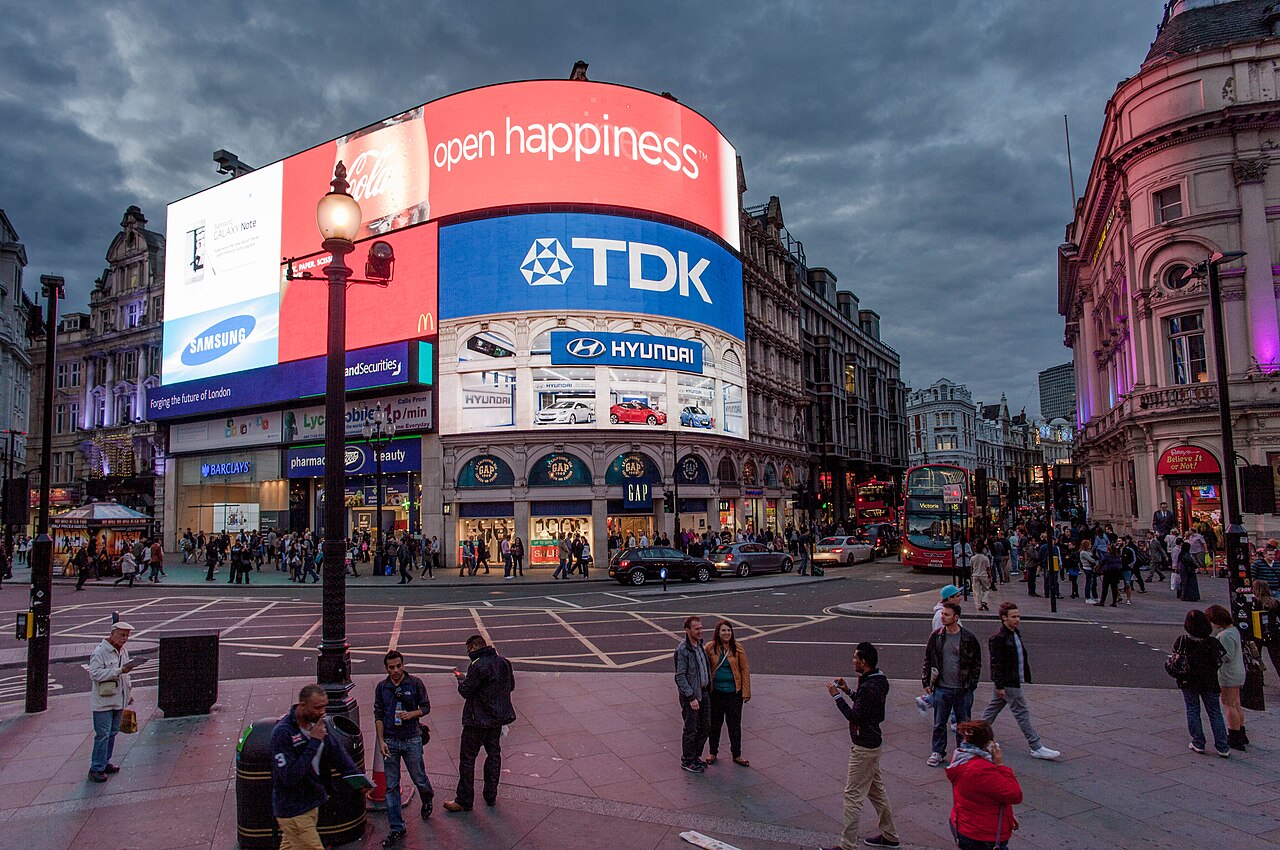
London's West End has around 40 theatres, staging long-running musicals, new plays and star-led revivals. For discounted same-day seats, visit the TKTS booth in Leicester Square or check the official apps. Piccadilly Circus, with its giant curved screens, sits at the heart of Theatreland. From here, Soho's restaurants and bars, Chinatown and the shops of Regent Street and Oxford Street are all within a few minutes' walk.
16. Covent Garden

Covent Garden's covered market building, completed in the 1830s, is now full of shops, cafés and craft stalls. Licensed street performers entertain crowds on the West Piazza throughout the day. The Royal Opera House is on the square, and the London Transport Museum, with its vintage buses and Tube carriages, is in the corner. The surrounding lanes, including Neal's Yard and Seven Dials, are good for independent shops.
17. Shakespeare's Globe

Shakespeare's Globe is a reconstruction of the Elizabethan playhouse, opened in 1997 close to the site of the original. Plays are performed in the open air from spring to autumn, and standing tickets in the yard, where the "groundlings" once stood, are among the cheapest theatre seats in London. Guided tours run most days. In winter, the indoor candlelit Sam Wanamaker Playhouse takes over.
Markets and food
London's markets are where you will eat best for the least money. Most are busiest at weekends, so go early or on a weekday for a calmer visit.
18. Borough Market

Tucked beside London Bridge station, Borough Market has fed Londoners in one form or another for around a thousand years. Today it is the city's best-known food market, with British cheeses, fresh bread, oysters and street food from around the world. Saturdays are packed. A weekday lunchtime is far more relaxed.
19. Camden Market

Camden Market spreads across several sites beside Camden Lock on the Regent's Canal. Hundreds of stalls sell vintage clothing, records, crafts and street food, and the area still has the alternative music scene it became famous for. Look for the statue of Amy Winehouse in the Stables Market. From here you can walk along the canal towpath to Little Venice or up to Primrose Hill.
20. Portobello Road and Notting Hill

Portobello Road Market in Notting Hill is best known for its Saturday antiques market, one of the largest in the world. Food, fashion and vintage stalls run further along the street. The pastel-painted terraces nearby are among the most photographed homes in London. Each August bank holiday weekend, the area hosts Notting Hill Carnival, Europe's biggest street festival.
21. Columbia Road Flower Market

Every Sunday morning, Columbia Road in East London fills with traders selling cut flowers, plants and bulbs. The market traders' calls are part of the experience, and prices drop as closing time approaches. Arrive early to see the stalls at their best, then walk south to Brick Lane.
22. Brick Lane and Shoreditch

Brick Lane is the heart of London's Bangladeshi community, sometimes called Banglatown, and famous for its curry houses and the round-the-clock Beigel Bake. The streets around it and neighbouring Shoreditch are covered in street art, with new murals appearing all the time. On Sundays, vintage and food markets fill the Old Truman Brewery. Old Spitalfields Market is a few minutes away.
23. Leadenhall Market

Hidden among the City's office towers, Leadenhall Market is a covered Victorian arcade with a painted roof designed by Sir Horace Jones, who also designed Tower Bridge. Harry Potter fans will recognise it from scenes in the first film. It is busiest on weekday lunchtimes, when City workers fill its pubs and restaurants. Many shops close at weekends, which makes it a quiet spot for photographs.
Parks and green spaces
Almost half of London is green or blue space, and its Royal Parks are free to enter all year.
24. Hyde Park

Covering 350 acres, Hyde Park is one of London's eight Royal Parks. Hire a pedalo on the Serpentine, swim at the lido in summer or listen to the speakers at Speakers' Corner on a Sunday. From November to early January, the park hosts Winter Wonderland, a large Christmas fair.
25. Kensington Palace and Kensington Gardens

Kensington Gardens joins Hyde Park to the west. At its edge stands Kensington Palace, where Queen Victoria was born in 1819, with state apartments and exhibitions open to visitors. The gardens are home to the Peter Pan statue, the Diana Memorial Playground and the Serpentine Galleries, which show contemporary art for free.
26. Regent's Park

Designed by John Nash and surrounded by elegant white terraces, Regent's Park is one of the most beautiful green spaces in the city. Queen Mary's Gardens hold the largest collection of roses in London, at their best in June. In summer, the Open Air Theatre stages plays under the trees, and ZSL London Zoo sits at the park's northern edge.
27. Primrose Hill

Just north of Regent's Park, Primrose Hill offers one of London's protected views of the skyline, taking in the BT Tower, St Paul's and the towers of the City. It is a short climb and one of the best free things to do in London at sunset.
28. Hampstead Heath

Hampstead Heath covers around 790 acres of woods, meadows and ponds in North London. The view from Parliament Hill takes in the whole of central London. Hardy visitors swim in the Heath's open-air ponds all year. At the northern edge, Kenwood House, run by English Heritage, is free to enter and displays paintings by Rembrandt and Vermeer.
29. Little Venice and the Regent's Canal

Little Venice is where the Grand Union Canal meets the Regent's Canal, lined with colourful narrowboats and waterside cafés. Walk the towpath east to Camden in about an hour, passing the edge of Regent's Park and London Zoo, or take a waterbus for the same journey.
The best views over London
30. Sky Garden

The Sky Garden sits at the top of 20 Fenchurch Street, the tower Londoners call the Walkie-Talkie. Its landscaped gardens and open-air terrace give a 360-degree view over the Thames, the Tower of London and the Shard. Entry is free, but you must book a timed slot online, and tickets are released in advance and go quickly.
31. The Shard

At 310 metres, the Shard is the tallest building in the UK. The View from The Shard, on the upper floors, is a paid attraction with views stretching up to 40 miles on a clear day. If you would rather spend the money on a drink, the bars and restaurants on the lower floors also have impressive views.
Greenwich, Kew and Hampton Court
These sights are further from the centre but well worth a half or full day each.
32. Royal Observatory Greenwich

The Royal Observatory in Greenwich is home to the Prime Meridian, the line of zero degrees longitude, where you can stand with a foot in each hemisphere. It is also the home of Greenwich Mean Time. The observatory sits on a hill in Greenwich Park, with a view across the Thames to Canary Wharf. Maritime Greenwich is a UNESCO World Heritage Site, and the National Maritime Museum at the foot of the hill is free.
33. Cutty Sark
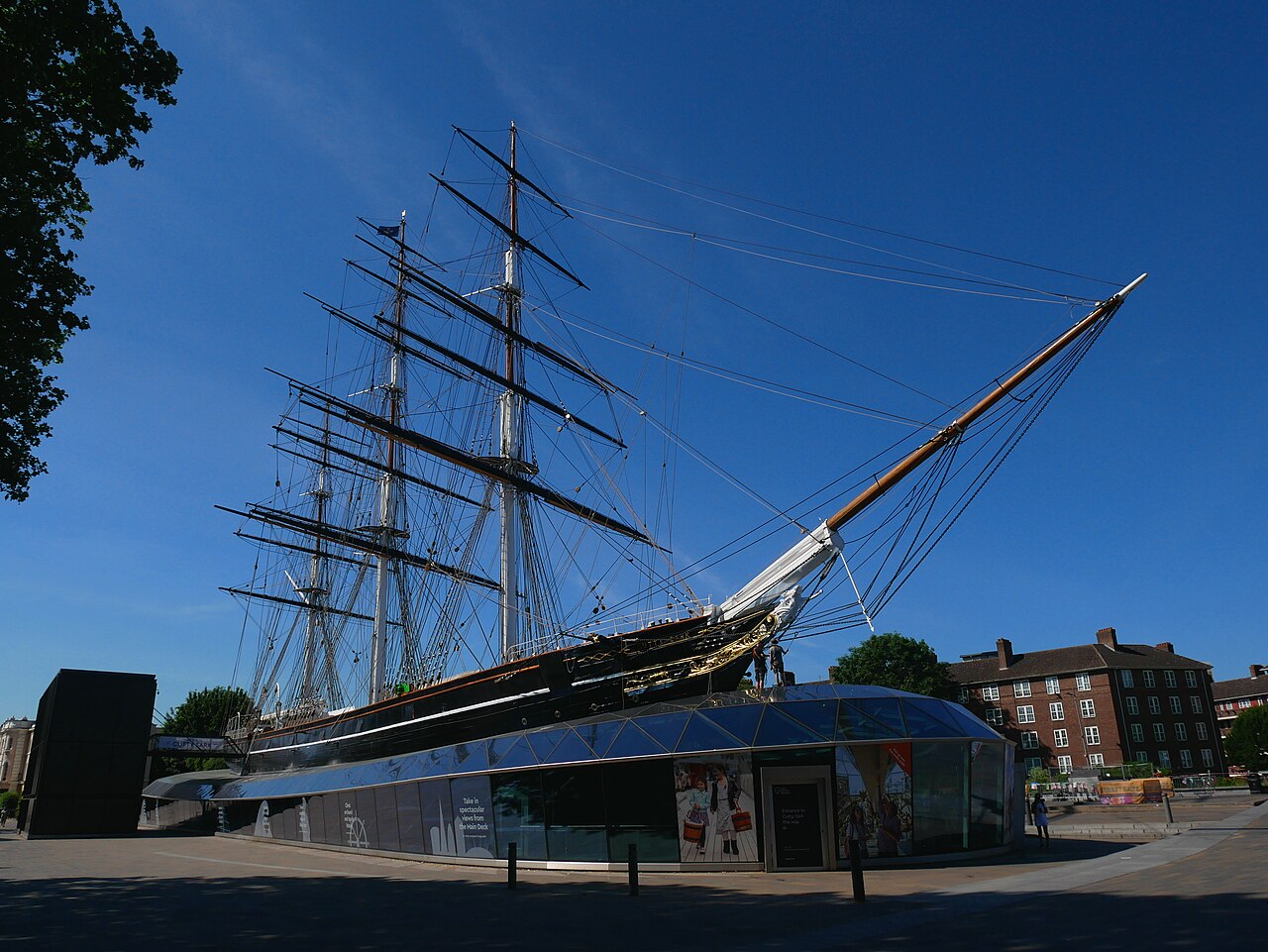
Built in 1869, the Cutty Sark was one of the fastest sailing ships of its age, carrying tea from China and later wool from Australia. The restored ship is raised above its dry dock, so visitors can walk underneath the hull as well as across the decks. The best way to arrive is by river boat from central London, which lands at Greenwich Pier right beside the ship.
34. Kew Gardens
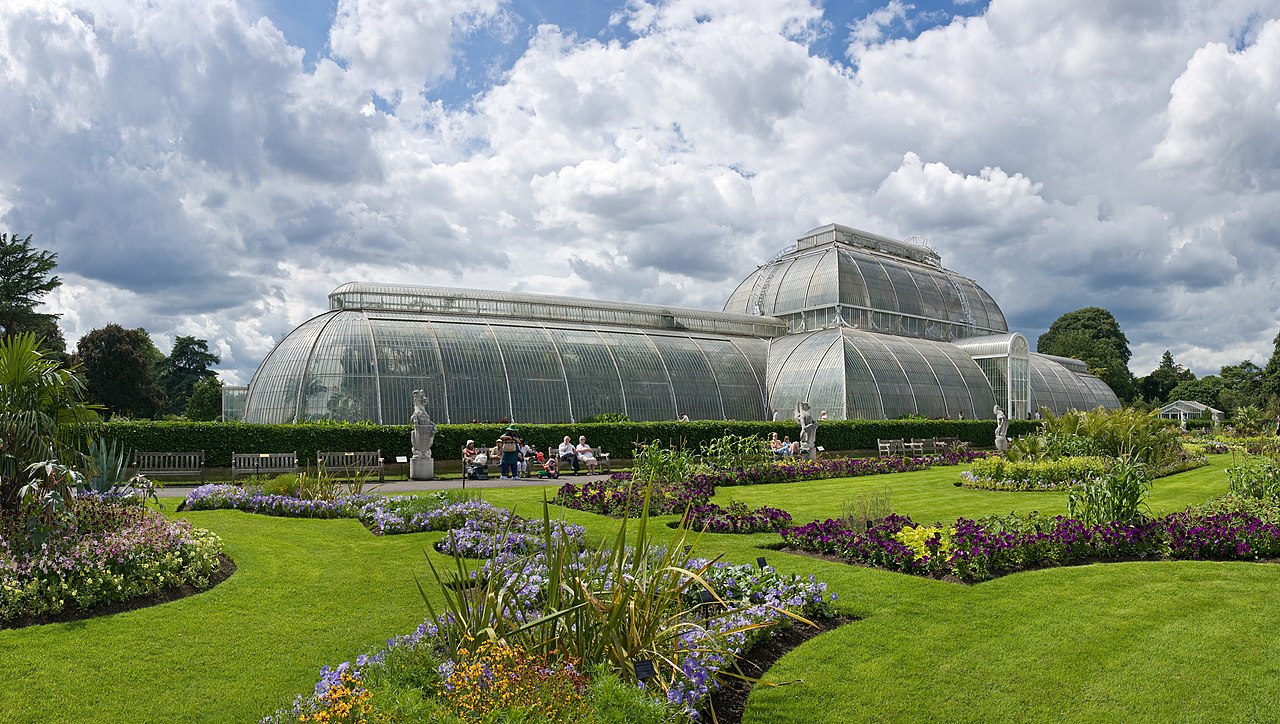
The Royal Botanic Gardens, Kew, are a UNESCO World Heritage Site with one of the largest plant collections in the world. Highlights include the Victorian Palm House, the Temperate House, which is the world's largest surviving Victorian glasshouse, and the Treetop Walkway 18 metres above the ground. Entry is paid. Allow at least half a day, and take the District line or the Overground's Mildmay line to Kew Gardens station.
35. Hampton Court Palace

Hampton Court Palace was Henry VIII's favourite residence, and its Tudor kitchens, Great Hall and Baroque state apartments added by William III show two very different eras of royal life. The famous maze, planted around 1700, is the oldest surviving hedge maze in the UK. Trains from London Waterloo take around 35 minutes.
London itineraries
One day in London
Start at Westminster Abbey and the Houses of Parliament, then walk through St James's Park to Buckingham Palace. Head to Trafalgar Square and the National Gallery, have lunch in Covent Garden, then cross the river to the South Bank. Walk east to Tate Modern, cross the Millennium Bridge to St Paul's, and finish with a booked sunset slot at the Sky Garden.
Three days in London
- Day 1: Westminster, Buckingham Palace, Trafalgar Square and a West End show.
- Day 2: Tower of London, Tower Bridge, Borough Market and the South Bank to Tate Modern.
- Day 3: The South Kensington museums in the morning, Hyde Park and Kensington Gardens in the afternoon, then dinner in Notting Hill.
With a fourth day, spend it in Greenwich by river boat, or at Kew Gardens and Hampton Court.
Practical guide to visiting London
Getting around
The simplest way to pay for public transport in London is to tap in and out with a contactless bank card or phone, which charges the same fares as an Oyster card and caps what you pay each day. Buses do not accept cash, and the Hopper fare lets you take unlimited bus journeys within an hour for a single fare. The Elizabeth line links Heathrow with central London and Canary Wharf. Remember that many central sights are closer than the Tube map suggests, and walking between Covent Garden and Leicester Square is quicker than taking the train. Uber Boat by Thames Clippers runs river buses between Westminster, the City and Greenwich, and Santander Cycles can be hired from docking stations across central London.
When to visit
Spring and early autumn bring milder weather and fewer crowds than July and August. December is busy but festive, with Christmas lights on Oxford Street, Regent Street and Covent Garden. London's weather changes quickly in any season, so pack layers and a light waterproof.
How to save money
- Visit the free national museums and galleries.
- Book a free Sky Garden slot instead of a paid viewing platform.
- Book paid attractions online in advance, which is often cheaper than paying on the day.
- Buy same-day theatre tickets at the TKTS booth in Leicester Square.
- Eat at markets such as Borough Market and Camden rather than sit-down restaurants in tourist areas.
Local etiquette
Stand on the right on Tube escalators so people can pass on the left, let passengers off before you board, and have your card ready at the barriers. In restaurants, check the bill before tipping, because a service charge of around 12.5 per cent is often already included.
Visiting London for work?
London is also one of the world's great business cities, with the City and Canary Wharf as its financial centres and Shoreditch and King's Cross home to thousands of tech and creative firms. If you are in town for meetings, staying near an Elizabeth line station makes it easy to reach Heathrow, the West End and Canary Wharf. If you run premises here yourself, visitors notice the details, from a clean reception to a spotless shop window. As a commercial cleaning company in London, JJ Prime Clean Solutions provides office cleaning, showroom cleaning and salon cleaning across all 32 boroughs, usually before the doors open. Our guides for London businesses cover everything from cleaning contracts to switching providers.
Frequently asked questions
What are the top things to do in London for first-time visitors?
Most first-time visitors prioritise the Tower of London, Westminster Abbey and the Houses of Parliament, Buckingham Palace, the British Museum and the London Eye, with a walk along the South Bank to Tate Modern and St Paul's Cathedral.
What are the best free things to do in London?
The British Museum, National Gallery, Natural History Museum, V&A, Science Museum and Tate Modern are all free. So are the Royal Parks, the views from Primrose Hill and Parliament Hill, the Sky Garden with a booked slot, markets such as Borough Market and Columbia Road, and services at Westminster Abbey and St Paul's.
How many days do you need in London?
Three days is enough to see the main sights at a comfortable pace. Five days lets you add Greenwich, Kew Gardens or Hampton Court, and spend more time in the museums and markets.
What is the best way to get around London?
Use a contactless card or phone on the Tube, buses and trains so your daily fares are capped automatically, and walk between nearby central sights. River boats are a scenic option for Greenwich and the Tower of London.
Keeping London's businesses visitor-ready
JJ Prime Clean Solutions cleans offices, shops, showrooms and salons across London, between 7:00am and 8:00pm, Monday to Saturday, so your premises are ready for every customer and visitor. Book a free site visit and we will put together a cleaning plan around your opening hours.